Oil Tank Services
in Norfolk
Thoughtful tank work.
For the places that rely on oil.
Replacement, removal and care for heating oil tanks, from village gardens to working yards.
Discuss Your TankExplore Tank Services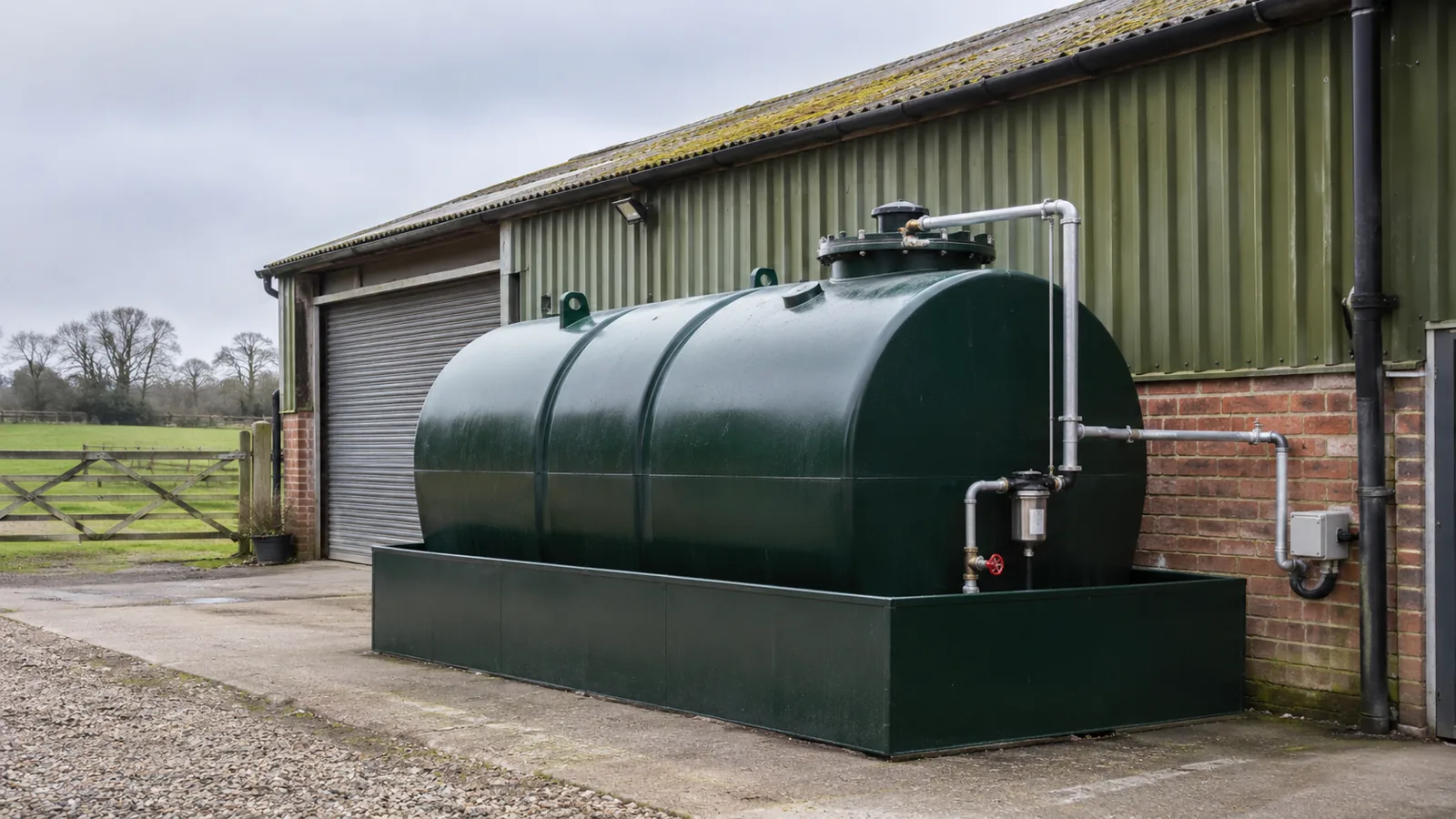
Good Tank Decisions
Start With the Whole Picture
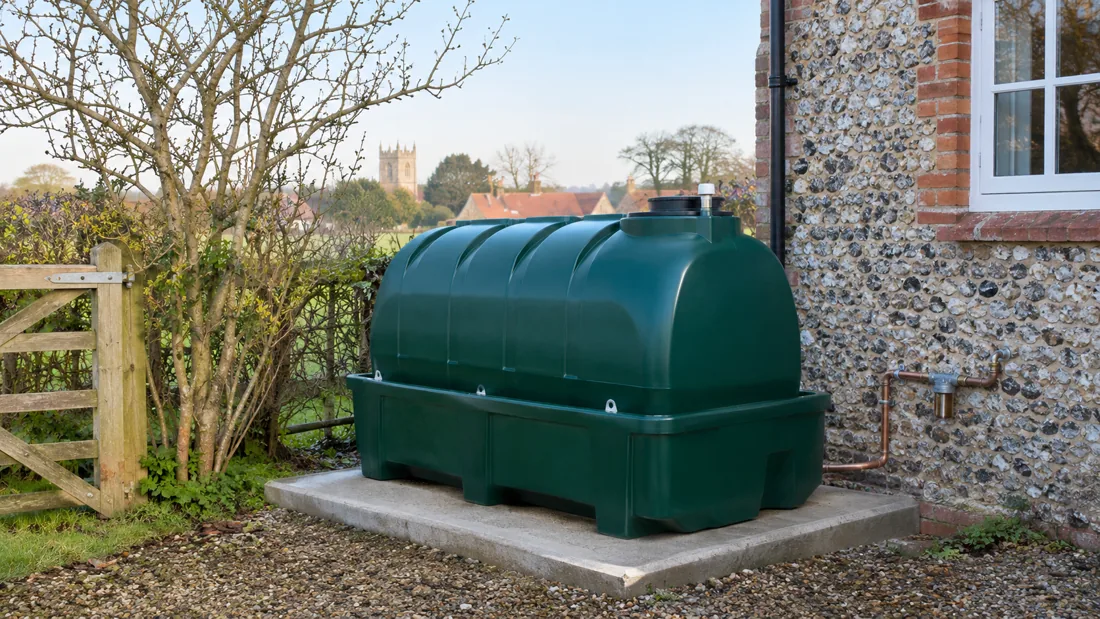
An oil tank is part of everyday life for many Norfolk properties. It might sit beyond a narrow side passage, supply a cottage used between seasons, or serve a busy yard where heating cannot simply stop without a plan. The vessel is only one part of the job.
We help you explain what needs attention and prepare an enquiry that covers the position, access, remaining oil and the building it supplies. Whether you are changing heating systems, replacing ageing storage or investigating dirty fuel, start with the outcome you need rather than choosing equipment first.
Photographs are a useful first step. A full tank view, the base and the route from the road often reveal more than a model number alone. Mention a suspected leak straight away, and use the dedicated leak guidance if oil may be escaping.
Find the Right Tank Service
Practical guidance before you book.
- 01
Oil Tank Removal
Clear a redundant or damaged tank, with the remaining oil, pipework and waste route included in the plan.
- 02
Oil Tank Replacement
Choose a suitable tank and base, recover usable fuel and agree the interruption to heating before the changeover.
- 03
Oil Tank Installation
Plan new storage from the position and capacity through to delivery access, supply connections and handover.
- 04
Oil Tank Cleaning
Investigate water, sediment and recurring filter problems before deciding what cleaning or fuel recovery is justified.
- 05
Underground Tanks
Understand what is buried, compare excavation with retention and keep contamination checks separate from tank filling.
- 06
Leaking Oil Tanks
Recognise a suspected leak, protect the area and understand the next steps for assessment, recovery and replacement.
Plan Around the Property,
and the Season
If your tank is sound and the work is planned, a quieter heating period can make the changeover easier to arrange. Think about guests, school holidays, winter occupancy and scheduled deliveries. A holiday property still needs someone to check the installation when it is empty.
A replacement may involve more than a single visit if support works, a new location or temporary storage are needed. Ask how long the heating will be disconnected and which parts of the programme depend on other trades. Do not order fuel to a date that has not been confirmed.
Restricted access deserves an early conversation. Photograph narrow gates, tight turns, steps and any soft ground. For farms and businesses, add delivery restrictions, operating hours and the equipment the tank serves. A farmhouse tank and machinery fuel storage may need different assessments.
Read the Replacement GuideFrom a Question to a Workable Plan
- 1
Describe
Tell us your postcode, what prompted the enquiry and whether the tank is still in use. You do not need to know its exact size to start.
- 2
Assess
The tank, its contents and access determine what needs checking. A site visit may be needed before a method and scope can be confirmed.
- 3
Agree
Clarify fuel handling, the heating interruption, removal or installation work and the records you should keep. Confirm exclusions before booking.
Norfolk Is More Than One Kind of Site
Around Norwich and its surrounding districts, older and protected buildings can make a new position or screening a matter for careful discussion. Near water, drainage routes and pollution risk deserve attention before a tank is moved or installed. Coastal exposure and rural access should be described as they are at your property.
Enquiries cover Norwich, Dereham, Wymondham, Fakenham, Holt, North Walsham, Aylsham, Great Yarmouth, Thetford, Diss, King’s Lynn and Downham Market, as well as surrounding villages. Availability and the method of work are confirmed for the address, not assumed from a town name.
Explore the Norfolk Coverage GuideA Couple of Useful Questions
Can you help if I do not know which service I need?
An oil tank enquiry does not need a diagnosis. Describe what has changed, such as a smell, poor heating, visible damage or planned building work. Include the postcode and what you know about the tank. The next step can then focus on assessment rather than assuming a replacement or clean is needed.
Is summer the best time to arrange tank work?
Summer tank work can be easier to coordinate when heating demand is lower, but condition comes first. Do not postpone assessment of a leak or damaged tank for a convenient season. For a sound installation, plan around fuel deliveries, occupancy and the time needed for any new base or access work.
Let’s Start With
Your Tank
Share what you know. Include access and remaining fuel if you can, and say if you are unsure.
With your agreement, your details are passed to a suitable service provider to respond. This form is for enquiries and is not an emergency dispatch service.
More About Making an Enquiry